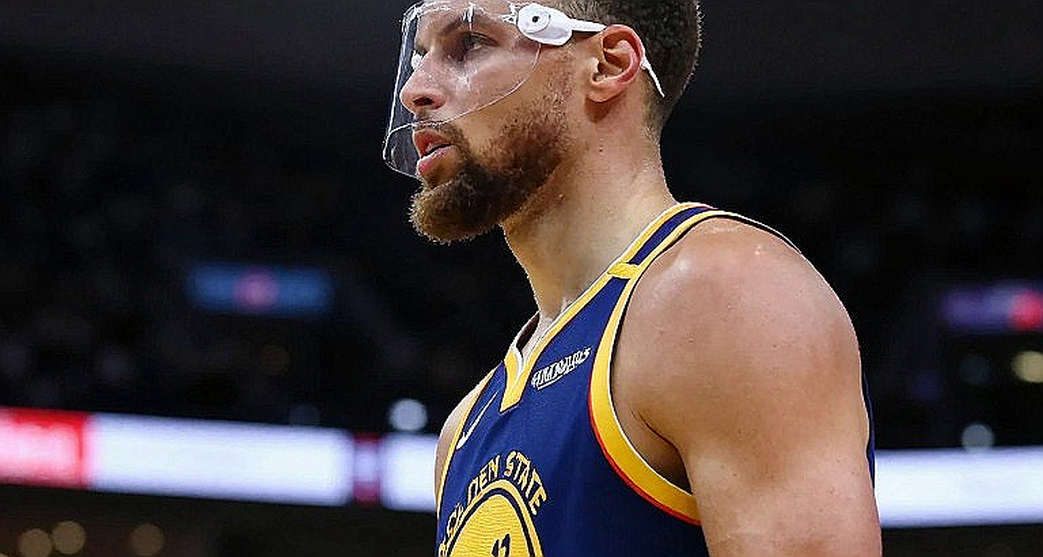
Markoishvili's First Win and Galatasaray's Real Question: Not the Scoreboard, but the Expectation Gap
**मुख्य उत्तर**: गैलाटसराय ने FIBA बास्केटबॉल चैंपियंस लीग (BCL) ग्रुप चरण में स्ट्रासबर्ग को हराया — मुख्य कोच मनुचर मार्कोइशविली के कार्यकाल का पहला BCL मैच। जीत के बाद उन्होंने खुद कहा कि टीम को रक्षा में अधिक शारीरिक होना होगा और प्रशंसकों की हर मैच जीतने की अपेक्षा वास्तविक नहीं है। **मुख्य तथ्य**: - स्ट्रासबर्ग ने “बहुत छोटी लाइनअप” के साथ खेला और गैलाटसराय को उसके अनुसार ढलना पड़ा। - मार्कोइशविली ने किसी खिलाड़ी का नाम नहीं लिया; कहा कि मैदान में आए हर खिलाड़ी ने ऊर्जा दी। - BCL यूरोलीग और यूरोकप के नीचे यूरोपीय क्लब बास्केटबॉल का तीसरा स्तर है। - कोच ने तुर्की सुपर लीग का स्तर “बहुत ऊंचा” बताया और दोनों मोर्चों पर लड़ने की बात कही। - गैलाटसराय की जीत घरेलू मैदान पर अपेक्षित न्यूनतम परिणाम थी, उपलब्धि का संकेत नहीं। **स्रोत**: मैच के बाद की संवाददाता सम्मेलन में मनुचर मार्कोइशविली के बयान; मूल सामग्री में प्रकाशन तिथि नहीं दी गई। **संबंधित प्रश्न-उत्तर**: प्रश्न: क्या यह जीत गैलाटसराय की टैक्टिकल बढ़त दिखाती है? उत्तर: नहीं — कोच ने खुद स्वीकार किया कि टीम को छोटी लाइनअप के सामने अनुकूलन करना पड़ा, इसलिए यह अनुकूलन की जीत थी, योजना की नहीं। प्रश्न: इस सीजन का सबसे बड़ा जोखिम क्या है? उत्तर: प्रशंसकों की यूरोलीग-युग वाली अपेक्षा और BCL-स्तरीय रोस्टर के बीच का फासला, जो पहली बार मुख्य कोच बने मार्कोइशविली के कार्यकाल को सबसे ज्यादा दबाव में डालेगा। प्रश्न: आगे कौन-सा संकेत ट्रैक करना चाहिए? उत्तर: अगले पांच से आठ मैचों में रक्षात्मक शारीरिकता का असल में स्थापित होना, क्योंकि कोच ने यही सुधार-क्षेत्र सार्वजनिक रूप से तय किया है।
The first sentence out of Manuchar Markoishvili at the post-game press conference was not about the win. “If I called the match easy,” he said, “people would laugh at me.” This is a man who had just won his first game as a head coach in the FIBA Basketball Champions League (BCL) — at home, against Strasbourg, in a Galatasaray jersey. His very first move after the result was to make sure the result did not grow.
The most interesting thing about this game is not the scoreboard. It is the language. A coach who had just won his first European fixture did not ask for praise; he pre-emptively offered mitigation — the win was not easy, the team still has much to fix, what the fans want is not realistic. That is not the vocabulary of victory. It is the vocabulary of survival.
To read it properly you have to remember the ladder of European club basketball. EuroLeague is tier one, EuroCup tier two, the BCL tier three. An institution like Galatasaray — whose football arm gets compared to Real Madrid — is playing basketball in the third tier. This is not a decision taken this week. It is the outcome of European basketball's financial stratification, where the EuroLeague's closed-licence model and concentrated revenue push historically significant clubs down the ladder.
On the other side sits the Turkish Super League (BSL), whose level Markoishvili himself called “very high.” He is right — Anadolu Efes and Fenerbahçe are EuroLeague regulars in that league. So Galatasaray's basketball programme is running in a domestic competition where every night is a fight, while simultaneously running a European campaign below its own brand. For a first-time head coach, that architecture is the real opponent.
Now the basketball. Strasbourg played with what Markoishvili called “very short lineups,” and he said plainly that Galatasaray had to adapt to them. That sentence is not a tactical victory; it is an admission of tactical compulsion — the coach is telling you his default configuration was not directly deployable. In European basketball, “very short lineups” usually means a stretch-five or a four-guard alignment that drags the traditional big out of the paint.
The answer came not from scheme but from freshness. “Everyone who entered the court gave energy” is a rotation-depth solution to a spacing problem, not a strategic invention. Galatasaray matched mobility with fresh legs, not with a new plan. Across years of watching European club tape, that pattern repeats: when there is no interior anchor, coaches turn depth itself into the weapon. It works, and it also tells you the ceiling.
The second signal matters more — “we must be much more physical on defence.” Early in a season, that line usually means the defensive identity has not been installed yet. Physicality is the last thing to arrive in any new system, because it needs cohesion, communication and conditioning, not just effort. If the coach is identifying his own weakness correctly, the trajectory is sound: knockout basketball is decided by physical half-court defence.
The third thing lives in an absence. Across twenty-two information points, not one player was named. At a club of Galatasaray's profile, the media usually demands a face. Not naming anyone is itself a signal: this is a committee roster, not a star roster. Committees function in group stages. In the tight minutes of a knockout tie, someone has to create against a set defence, and no hierarchy is expensive there.
What gets discussed least is the two-front load. The BSL is strong, the BCL calendar is dense, and the Turkish-player quota already limits how deep the domestic roster can be built. The coach's “we must fight in every match, in the league and in the BCL” is not boilerplate — it is a realistic resource-allocation statement, an acknowledgement that this roster cannot dominate either front.
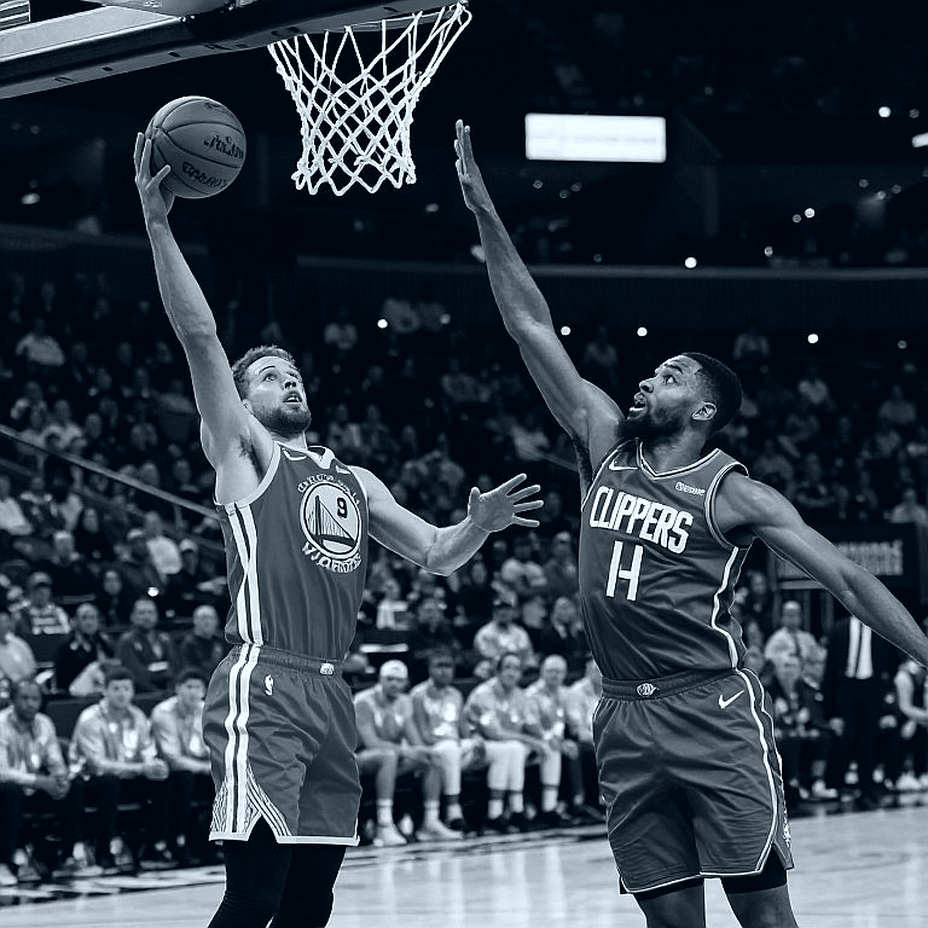
Now the consensus, in its strongest form. New coach, first win, home win, a team that showed adaptability in an unfavourable matchup, and a coach who is honest — that is a platform. That reading is not dishonest. But the evidence does not carry the platform. Strasbourg is a respectable French club, not a continental power; beating them at home is the baseline, not a signal of achievement. And “resilience” is the word the coach used without a single verifiable number behind it.
So the inversion is not that Markoishvili is out of his depth. It is that the most professional thing he did all evening was manage expectations before anyone else could. When he says fans want to win all one hundred matches and that this is not realistic, he is laying the ground on which he can survive. When he says “I know where I have come from,” he is framing his credibility as earned rather than entitled. That is his greatest strength and his clearest warning: in the Istanbul media environment, honesty has a short shelf life.
What will actually define this season is not how many BCL games Galatasaray wins. The real gauge is whether defensive physicality is genuinely installed over the next five to eight games — because the coach has published his own KPI. Watch the next BCL date for a stretch-five opponent: if “we had to adapt” appears again, the problem is structural, not temporary. And watch the BSL results, because that is where the pressure will be measured, not in Europe.