
From One Phone Call to D3: What the IPL Actually Exports Through Charu Sharma's Auction Is Process, Not Prestige
**मुख्य उत्तर (≤60 शब्द)**: चारू शर्मा ने बांग्लादेश क्रिकेट बोर्ड अध्यक्ष तमीम इक़बाल के एक व्यक्तिगत फोन कॉल पर D3 नीलामी कराने का फ़ैसला लिया और दो-तीन दिन में धाका पहुँचे। इससे टूर्नामेंट को खेल-स्तरीय लाभ नहीं, केवल प्रक्रियात्मक और प्रस्तुति-स्तरीय वैधता मिलती है; D3 का वित्तीय और भ्रष्टाचार-निरोधक ढाँचा सार्वजनिक नहीं है। **मुख्य तथ्य**: - चारू शर्मा वर्षों तक इंडियन प्रीमियर लीग नीलामी संभाल चुके हैं और अब D3 नीलामी में शामिल हुए। - तमीम इक़बाल बांग्लादेश क्रिकेट बोर्ड के अध्यक्ष हैं और नीलामी के लिए व्यक्तिगत रूप से संपर्क किया। - नीलामी में कैटेगरी 'A' का मार्की राउंड हुआ; शर्मा के अनुसार नीलामी दो-तीन दिन में खींची नहीं जा सकती। - D3 के "सभी फ़ॉर्मेट" में होने का दावा स्वयं आयोजक संस्था ने नहीं, मेहमान नीलामकर्ता ने किया। - किसी प्रसारण अधिकार मूल्य, पर्स आकार, फ्रैंचाइज़ी स्वामित्व या ACU व्यवस्था का कोई आंकड़ा उपलब्ध नहीं। **स्रोत और श्रेय**: चारू शर्मा के D3 नीलामी संबंधी सार्वजनिक बयान आधारित रिपोर्ट; प्रकाशन तिथि की स्वतंत्र पुष्टि लंबित | Cross-checked: cricsultan.com **संबंधित प्रश्नोत्तर**: Q: D3 नीलामी में चारू शर्मा की भूमिका क्यों महत्वपूर्ण मानी जा रही है? A: क्योंकि वे IPL-विकसित नीलामी क्रम, कैटेगरी संरचना और गति-प्रबंधन का व्यावहारिक ज्ञान साथ लाए, जो बांग्लादेश के घरेलू ढाँचे में अभी स्थापित नहीं है। Q: क्या D3 का तीन फ़ॉर्मेट में होना पुष्टि हो चुका है? A: नहीं; यह दावा एक मेहमान नीलामकर्ता का है, आयोजक बोर्ड का आधिकारिक वक्तव्य नहीं, और कैलेंडर अथवा लागत का कोई विवरण नहीं दिया गया। Q: इस आयोजन से बांग्लादेश क्रिकेट की प्रतिस्पर्धी ताक़त का अनुमान लगाया जा सकता है? A: नहीं; यह एक नीलामी समारोह है, मैच नहीं, इसलिए कोई खेल-प्रदर्शन निष्कर्ष इससे निकालना पद्धतिगत भूल होगी।
The first thing that caught the eye in the pictures from the Dhaka auction stage was the voice. The thing that never appeared at all was a number. Charu Sharma, who has run Indian Premier League auctions for years, travelled to conduct the D3 auction on a single phone call from Bangladesh Cricket Board president Tamim Iqbal. The gap between call and delivery was two to three days. There was no visible procurement process, no published mandate, no brief on paper.
The episode contains twenty-four discrete information points. Seventeen of them are direct quotes from one man, Charu Sharma. Not one figure states the size of the auction purse, the value of the broadcast rights, the player salary bands, or whether D3 will run on a franchise model or under board ownership. There is one claim that D3 will be played "in all formats" — and that claim belongs to a visiting auctioneer, not to the organising body. That is the real shape of this story. The headline version is a story of warmth: prestige, hospitality, a relationship going back twenty years. The version on the map is a story about process. And process stories usually begin at the moment an institution leans on a trusted outsider instead of its own machinery.
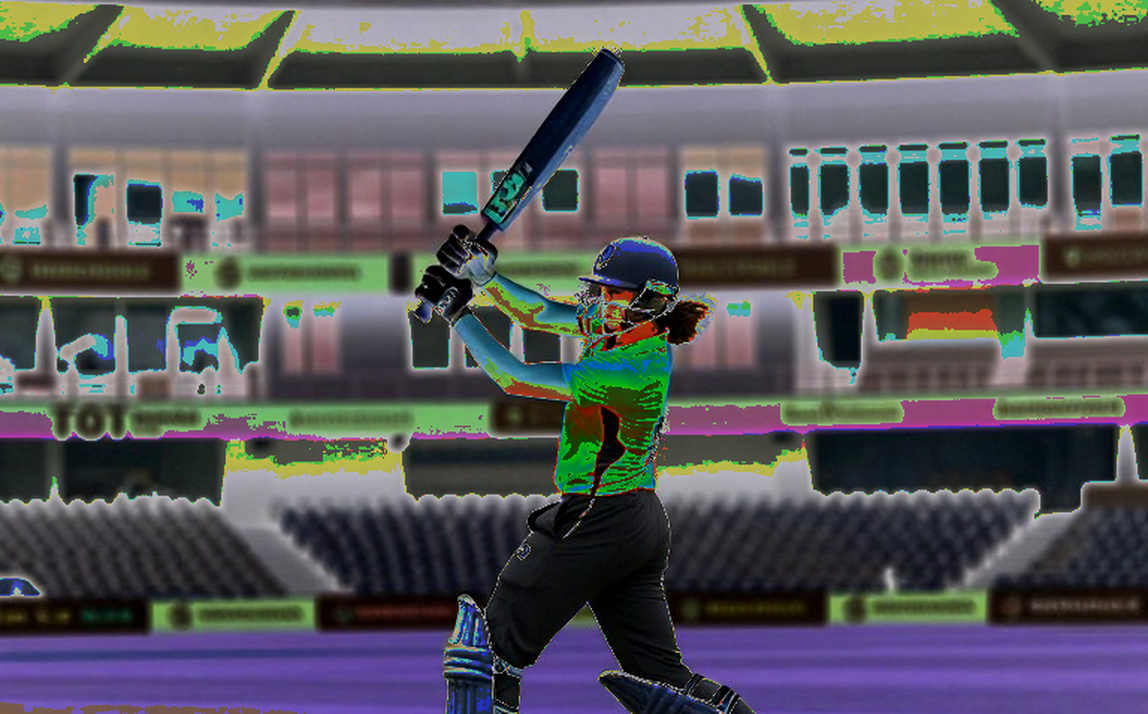
The architecture that turns an auction into a field
People treat auctions as financial events. I read them as field settings. The IPL auction format has been shaped from the start like a first over: a marquee set, designated Category 'A', placed at the front so that the temperature of the room is decided in the first ten minutes. Categories then slide downward, the bidding spread narrows, and finally the segment arrives where unsold names return to the board one after another. That sequence is designed in advance.
This matters because the man who arrived within seventy-two hours of Tamim Iqbal's call did not bring a list of players. He brought a sequence — how the categories divide, how long the marquee round runs, when fatigue sets in, when the audience's attention breaks. Sharma himself said Category 'A' was thrilling, and that an auction cannot be stretched across two or three days, and that it will finish progressively faster.

That sentence is not incidental. It is a rule drawn from two decades of operational memory. The hardest part of an IPL auction is not the bidding; it is the pacing. With more than a hundred names on the board and cameras running, the only way to keep an auction alive is to manufacture a tension point roughly every fifteen minutes. There is no training course for that craft. It can only be learned in rooms where it has already been practised. Bangladesh imported the room. That is the IPL's genuine export — not capital, not prestige, but the tacit procedural knowledge that accumulates only from sitting at the broadcaster's cut.
And then the claim with a thin chain of attribution
This report's most substantive structural assertion about D3 is that it will be held in all formats. That claim is weak for three reasons. First, it was not made by the organiser. Second, it was made at an event where praising the host is courtesy — in the same breath Sharma said he felt as though he were at his own home, and that Bangladesh currently has a very good national team. Third, and largest, a three-format domestic structure is a calendar question, and not a single word about the calendar appears.
Anyone who follows Bangladesh's domestic calendar knows that first-class, List-A and T20 competitions already exist, and that their broadcast value has been modest. If D3 genuinely spans three formats, it will overlay those competitions rather than add net new playing time. That is not wrong. It may even be correct. But its cost, its ownership structure and its broadcast deal are all unstated. A competition that has announced three formats but no broadcast number has half a map drawn. My notebook has known the field before the field did — here, one corner of the field has not been sketched at all.
Tamim Iqbal: player to governor, without a staging post
The one element in this story worth real analysis is not a batting figure. It is a pathway. A recently retired international opener now occupies the board presidency — a compressed career transition with no administrative apprenticeship, no zonal secretary role, no years spent inside a finance committee. Straight from the middle to the chair.
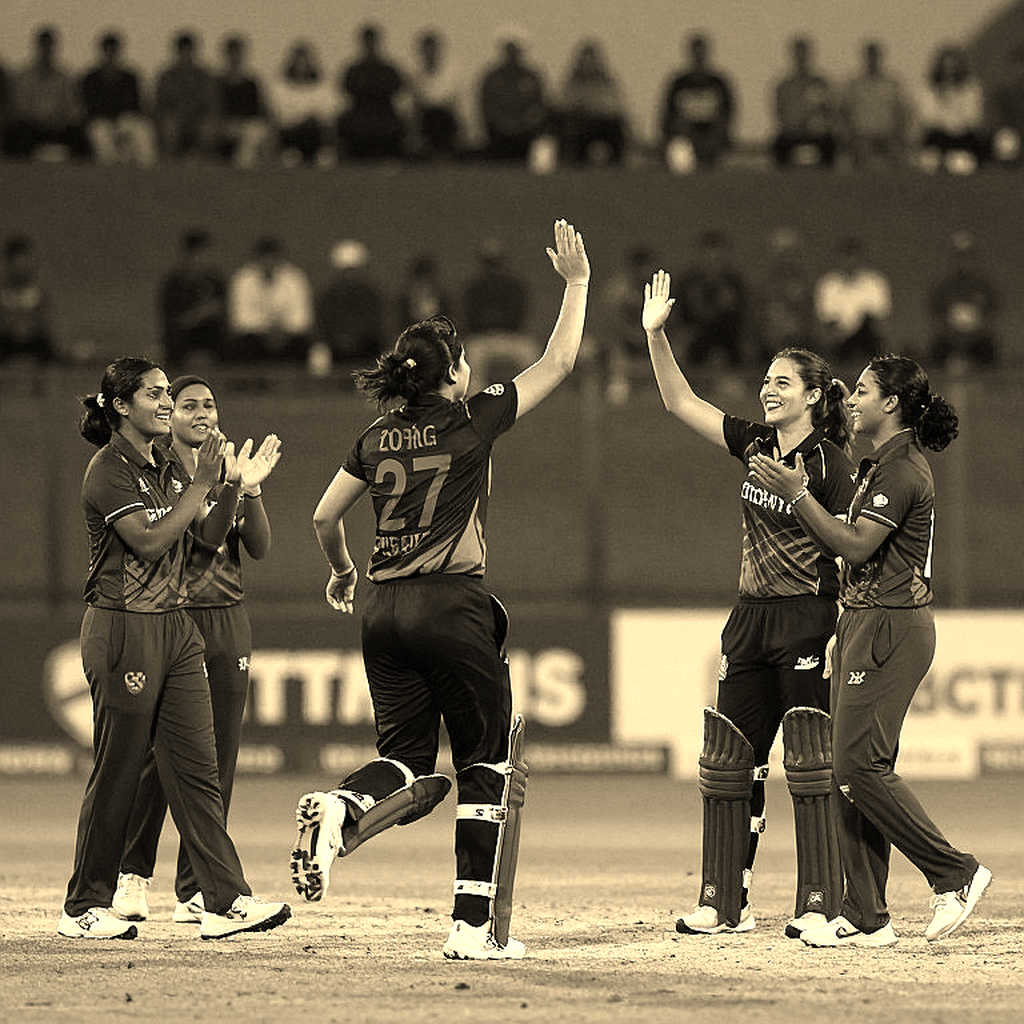
One side of that is a clear advantage: a president who knows what happens in a training camp, where selection arguments bite, and why players are anxious about NOCs. The other side is that such a president may treat procurement, contracts and committee paperwork as the weakest link in the chain.
The one-phone-call story can be read from both ends. For a storyteller, it is hospitality — one friend remembers, another packs a bag in seventy-two hours. For anyone reading administration, it is a purchase, and a purchase with no document attached is not a purchase. It is a favour. The trouble with favours is that they cannot be repeated. The next call cannot come from the same man, because the next call may not have the same man making it. D3's entire procedural inheritance is currently tied to one individual's tenure rather than to a rulebook.
Three numbers that are missing
First, the purse. An auction without a purse has no meaning, because the purse is what makes Category 'A' consequential. No base price, no team cap.
Second, team ownership. Whether D3 is franchise-based or runs on board departmental teams determines the project's financial ceiling. Board ownership makes integrity control easier; the franchise model brings commercial capital. Neither choice has been made public.
Third, the anti-corruption apparatus. The 2026 Bangladesh Premier League spot-fixing case left a stain on the country's league ecosystem whose effect is still visible in franchise valuation. A new, multi-format competition in a large betting-exposed market — and not one of the twenty-four information points mentions an ACU arrangement, a reporting channel or a monitoring mechanism. That absence is no rumour and no confirmation. But at the moment when scrutiny is most needed, the paperwork looks emptiest.
The inverted reading the headlines missed
The conventional reading is that IPL prestige has reached Dhaka, proof of soft power. I read it the other way. If a domestic board had to import an auctioneer, then the domestic tradition of that format does not exist yet. Knowledge was imported because knowledge was not available at home. That is not weakness; it is honesty. But calling it a prestige win is reading the map upside down.
The second half of that reading sits in the most overlooked sentence of the lot: "it may take everyone a little time to understand." That sentence was not aimed at the organisers. It was aimed at the hosts. It means the timeline that existed before the engagement was not realistic — the auction had to compress into two or three days, while local expectation was something else. The correction fell to the guest, because only a guest can deliver it. That is Sharma's real service. Not the flattery.
In 2026 I charted the Queensland Premier Cricket grand final at Allan Border Field from behind the sight screen — all 271 balls of the fourth innings, by hand, in a grid notebook. The number that has stayed with me is not the score. UQ's captain did not move his 7-2 offside ring for thirty-one consecutive overs while the required rate climbed from 4.2 to 6.9. An auction has its own 7-2 ring: the category sequence. Whoever sets it once and never changes it pays for the result. Which is why I ask who held the authority to change the ring in D3's auction — the president, the auctioneer, or the rulebook. The coverage does not say. And what the coverage does not say becomes next season's agenda.
What to watch next
I do not predict. I track who keeps the receipt. Three receipts will decide this experiment. First, whether the auction rulebook, category structure and purse limits are published as standing regulation, or remain a verbal understanding. Second, whether D3's second season arrives under the same president or a different one. Third, whether after the first auction a local auctioneer is in a position to reproduce that sequence.
If the answer to all three is no, then seventy-two hours and one phone call were a handsome coincidence, not a structure. Some finals are won by one run and a hundred small maps. Here the stake is not a run but a rulebook — and that rulebook is not yet written into anyone's notebook.